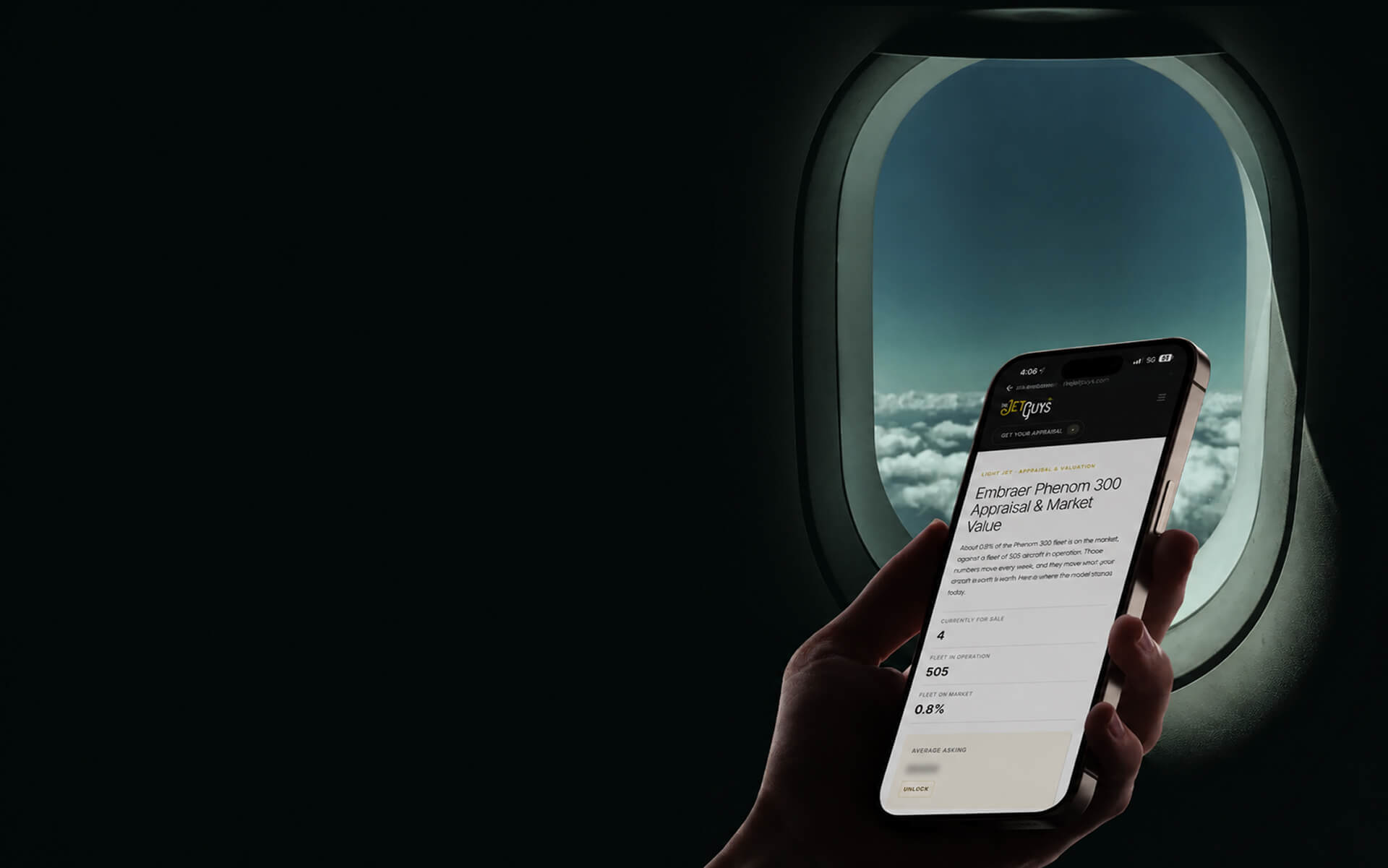



A private jet membership website sells belonging, not a flight. That one distinction changes everything about how the site should be built — and it's the thing most operators get wrong. They take a charter template, add a "Membership" tab, and wonder why nobody joins. A membership brand isn't selling a trip. It's selling a relationship you pay to be part of, and the site has to make that feel worth joining from the first screen.
We're beterdesign, a private aviation web design agency, and membership is a category we've built in repeatedly — Hudson Jets, JetSet GRP, FLY1200, and the concierge-led model behind ONYXX Aviation, several in partnership with N5 Marketing Inc. Here is what a private jet membership website needs to do.
Why a membership site is not a charter site
This is the part operators underestimate. A charter site answers one question: can you fly me from here to there, and what will it cost. A membership site answers a different one: why should I commit to you before I even have a trip booked.
Our opinion: if your membership site is structured like a charter site, you've already lost. A quote form up front tells a prospective member you sell flights, one at a time, like everyone else. But the membership offer is the opposite of one-at-a-time — it's the promise of a standing relationship, priority access, and pricing that rewards commitment. Lead with a form and you've buried the only thing that makes the membership worth more than an ad-hoc charter.
The site has to sell the club, not the flight.
What a private jet membership website needs
Every item here has an opinion attached, because the answer only matters if you know what a good one looks like.
1. The program leads the homepage. What the membership is, who it's for, and what it includes — stated clearly at the top, not buried behind a click. We built the Hudson Jets membership site with the program as the product and everything else in support of it. If a visitor has to hunt for what they're joining, they won't.
2. The tiers have to be obvious. Jet card and membership buyers are comparison shoppers by nature — they're weighing your program against three others. Clear tiers, honest pricing logic, and benefits laid out so the decision is easy. When we rebuilt the JetSet GRP jetcard system, clarifying the tiers was half the win — the business grew about 40 percent in six months.
3. The value math has to be visible. A membership is a financial decision. Members want to see why the commitment pays off — fixed hourly rates, member-only empty legs, priority availability. The FLY1200 site is built around exactly this: the 1200 Club and an empty-legs program that give members access to private flight at a fraction of full charter cost. Show the math, don't hint at it.
4. There has to be a real moment to join. Most membership sites treat sign-up as an afterthought — a contact form at the bottom. Our opinion: the join moment should be designed, not tacked on. On FLY1200, a custom membership-card experience is part of the conversion flow, not a form in the footer. The act of joining should feel like the start of something.
5. Belonging has to be felt, not stated. Membership is emotional as much as financial. The brand, the restraint, the way the site carries itself — all of it signals whether this is a club worth being in. A site that shouts reads as a brand that needs members. A quiet, confident one reads as a club you want to be let into.
Jet card, membership, and charter are three different offers
Part of getting the site right is being clear about which one you are, because they don't sell the same way.
Charter is transactional — one trip, one price, book when you need it. A jet card is prepaid hours at a fixed rate, sold on convenience and locked-in pricing. A membership club sells access and belonging — the relationship first, the flights as a benefit of it. A site that blurs the three confuses the buyer and attracts the wrong inquiries. The ONYXX Aviation model takes this furthest: one point of contact for the entire journey, where the relationship is the product and the flight is one part of it.
The proof
Across Hudson Jets, JetSet GRP, and FLY1200, the pattern is consistent: when the membership leads and the value is visible, the right members convert and the wrong inquiries fall away. Hudson shipped in 72 hours with the program at the center. JetSet's jetcard redesign drove 40 percent more business. FLY1200 moved on the 1200 Club the moment it went live. None of that came from a better quote form. It came from building the site around the membership, not around a single flight.
You can see our aviation and membership work, or send us your current site and we'll tell you whether it's selling the club or just the flight.
Frequently asked questions
What does a private jet membership website need?
The program leading the homepage, clear tiers a buyer can compare, visible value math (member rates and empty legs), a designed sign-up moment, and a brand that makes belonging feel worth it. A membership site sells the relationship, not a single flight, so it should not be structured like a charter site.
How is a jet card website different from a charter website?
A charter site is built to capture a one-off trip request. A jet card or membership site is built to sell a standing commitment — prepaid hours or membership access — so it leads with the program, the tiers, and the value of committing, not a quote form. The buyer is comparing programs, and the site has to make that comparison easy.
Who designs private jet membership and jet card websites?
beterdesign has built membership and jetcard sites for Hudson Jets, JetSet GRP, and FLY1200, several in partnership with N5 Marketing Inc. We build the site around the membership program rather than a single flight, which is what converts serious members.
How much does a private jet membership website cost?
Website design starts at $3,000 and a full brand-and-website engagement at $7,000. A complete membership site with tiers, a sign-up flow, and an empty-legs feature typically runs $15,000 to $50,000, depending on brand and content.
If you run a membership or jet-card program and your site still opens with a quote form, that's the first thing we'd change. Sell the club, not the flight.


.svg)